
§ 1 The languages of first-century Galilee
- First-century Palestine was multilingual — at least four languages in active use
- Jesus almost certainly spoke Aramaic as his mother tongue
- The gospels we have were written in Greek — a language he may never have written in
- Every translation from Aramaic to Greek carries a cost in wordplay, idiom, and theological weight
First-century Palestine was multilingual. Four languages operated in overlapping registers:
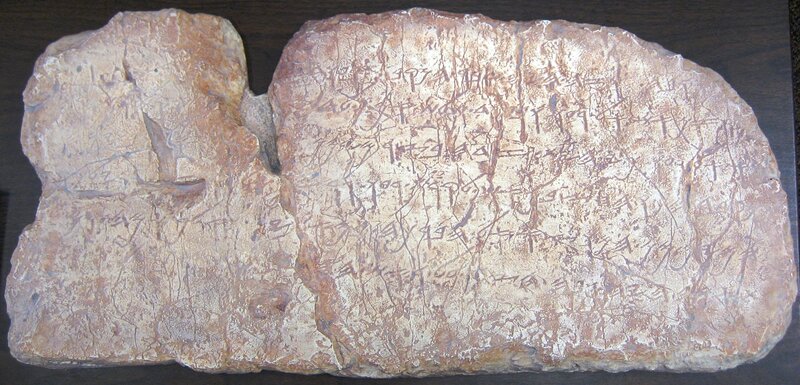
- Aramaic — the everyday tongue of Jewish villagers in Galilee and Judea; a Semitic language related to Hebrew, carried home from Babylon after the exile and spoken on the street for the next thousand years.[2]
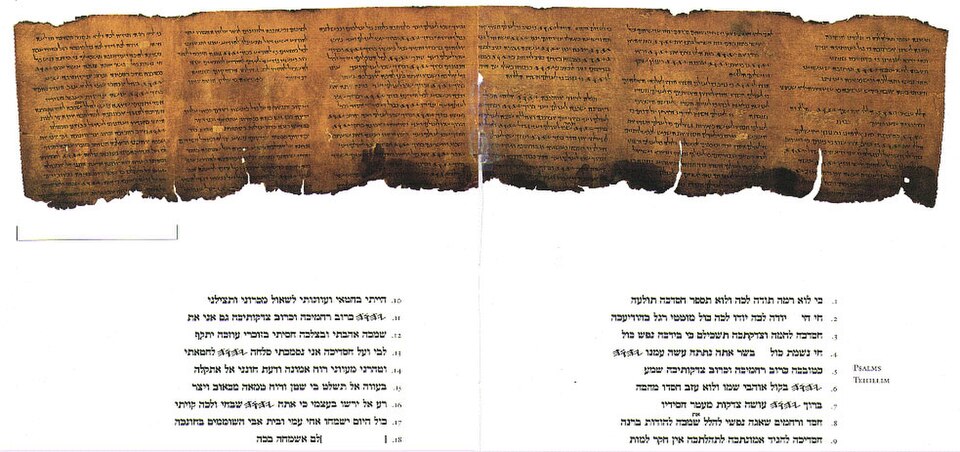
- Hebrew — the language of the synagogue and the scroll, still spoken in scholarly settings.
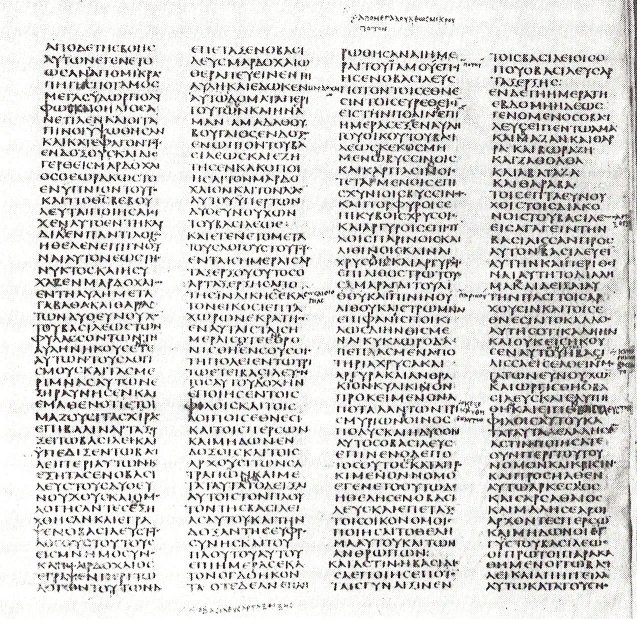
- Greek — the lingua franca of the eastern Mediterranean; the language of commerce, of the cities of the Decapolis, and of the New Testament documents themselves.[3]
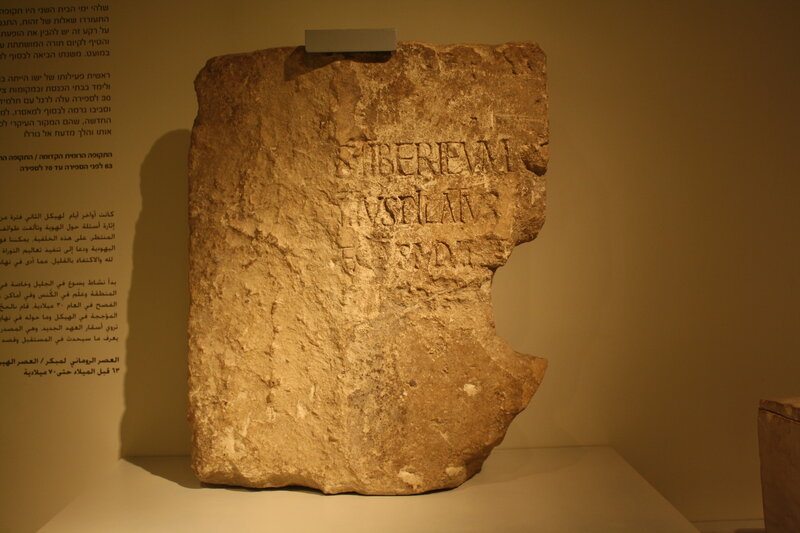
- Latin — the language of the occupying army and of the inscription Pilate ordered nailed above the cross.[4]
Jesus almost certainly spoke Aramaic as his mother tongue. He likely read Hebrew (Luke 4 places him reading from a scroll of Isaiah). He may have known enough Greek to converse with a Roman centurion or a Syro-Phoenician woman. There is no good evidence he wrote anything down.
§ 2 Aramaic words preserved in Greek manuscripts
The strongest evidence for the Aramaic substratum is the gospels themselves. The Greek text repeatedly stops to transliterate his words — sometimes followed by translation, sometimes not. These are the moments where the page lets you hear him.
| Aramaic | Transliteration | Translation | Citation |
|---|---|---|---|
| ܛܠܝܬܐ ܩܘܡܝ | talitha koum | "Little girl, get up." | Mark 5:41 |
| ܐܦܬܚ | ephphatha | "Be opened." | Mark 7:34 |
| ܐܒܐ | abba | "Father" — intimate, familial. | Mark 14:36 |
| ܐܠܗܝ ܐܠܗܝ ܠܡܐ ܫܒܩܬܢܝ | eloi eloi lema sabachthani | "My God, my God, why have you forsaken me?" | Mark 15:34 |
| ܡܪܢ ܐܬܐ | maranatha | "Our Lord, come." | 1 Cor 16:22 |
The presence of these words — left untranslated in a Greek narrative — is the kind of textual fingerprint that historians take seriously. Authors don't usually preserve a foreign phrase unless its sound matters. [6]
"Abba is not a theological title. It is what a child says to a parent at the dinner table. To translate it as Father is correct; to translate it as Dad may be closer."
§ 3 What Greek translation carried — and lost
When a saying moves from Aramaic into Greek, three things tend to happen. Wordplay collapses. Idiom becomes literal or disappears. And theological vocabulary, sharpened by later debate, gets retrofitted onto plainer speech.[8]
The Aramaic gamla meant both camel and rope. The famous saying about a camel passing through the eye of a needle becomes, with the other vowel set, a rope through the eye of a needle — a difficult image, but not an absurd one. Scholars are split on which the original was.[9]
The Aramaic bar nasha — "son of man" — is, in everyday speech, simply a person, someone, oneself. In Greek it becomes a fixed title, capitalized in modern translations, freighted with apocalyptic meaning from Daniel 7. The same two words. A different weight.[10]
§ 4 What he said, vs. what was attributed to him
New Testament scholarship since the nineteenth century has tried to separate the earliest layer — sayings that likely go back to Jesus himself — from material added by the gospel writers and their communities. The Jesus Seminar's color-coded gospel is one well-known attempt; the criteria of dissimilarity, multiple attestation, and embarrassment are the standard tools.[11]
The consensus picture is narrower than the church's. Most scholars give high confidence to:
- The parables
- The beatitudes in something like their Lukan form
- Table-fellowship with outsiders
- The Aramaic abba address to God
- A baptism by John
Confidence drops sharply for the long discourses in John, the infancy narratives, and most self-referential titles.[12]
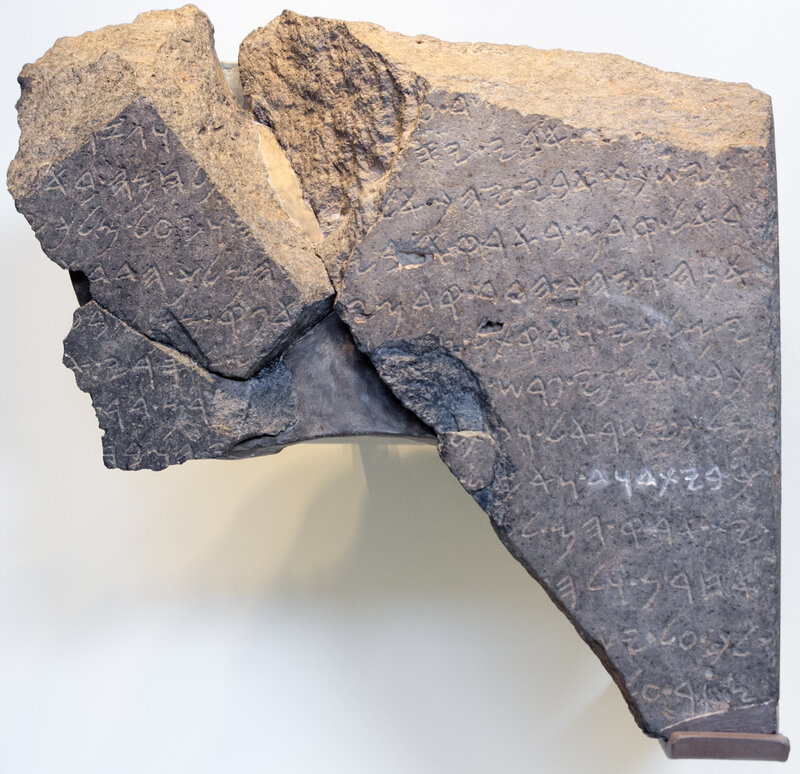
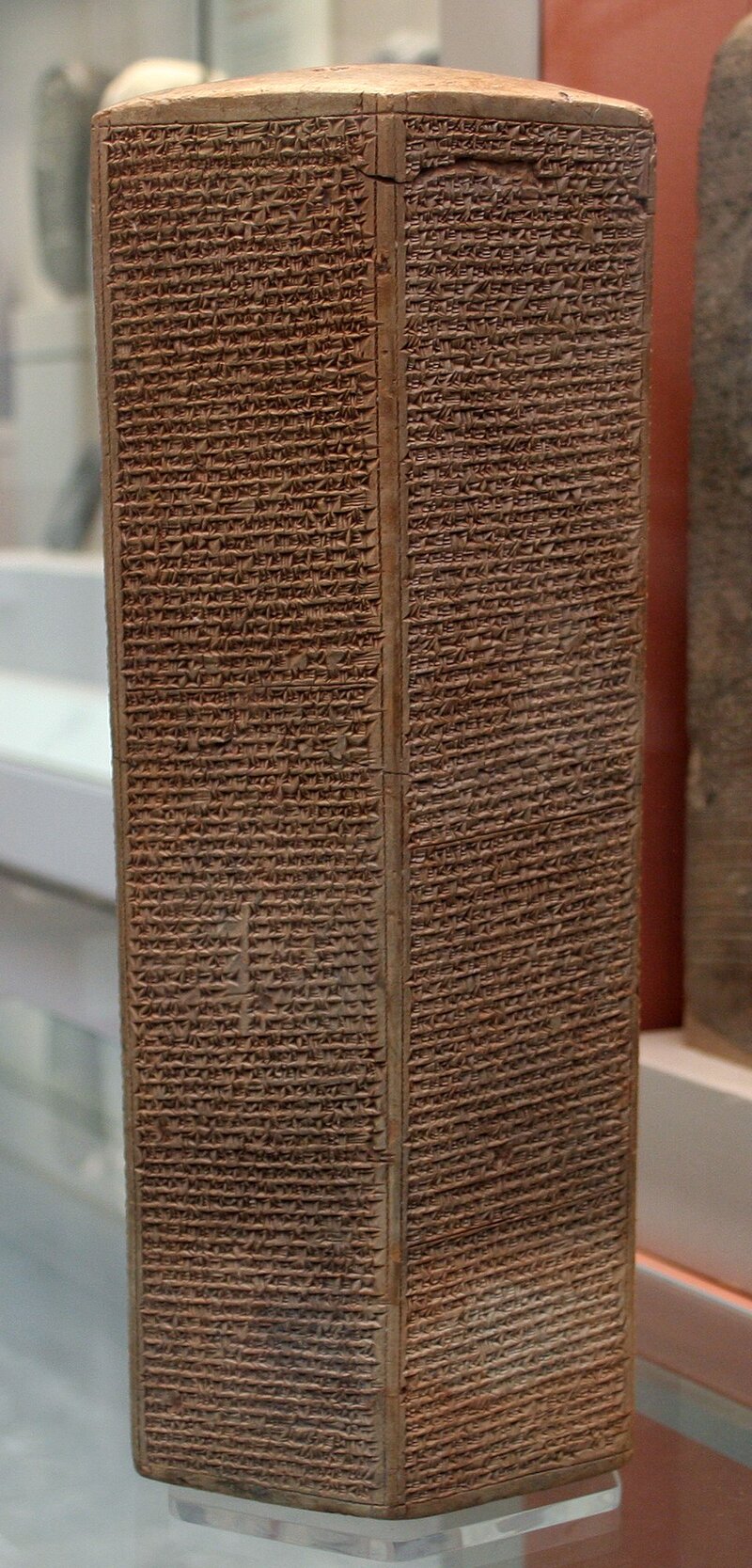
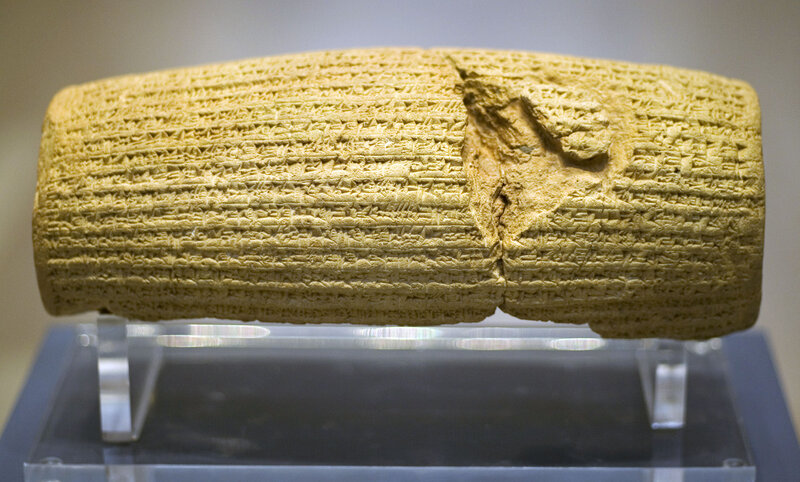
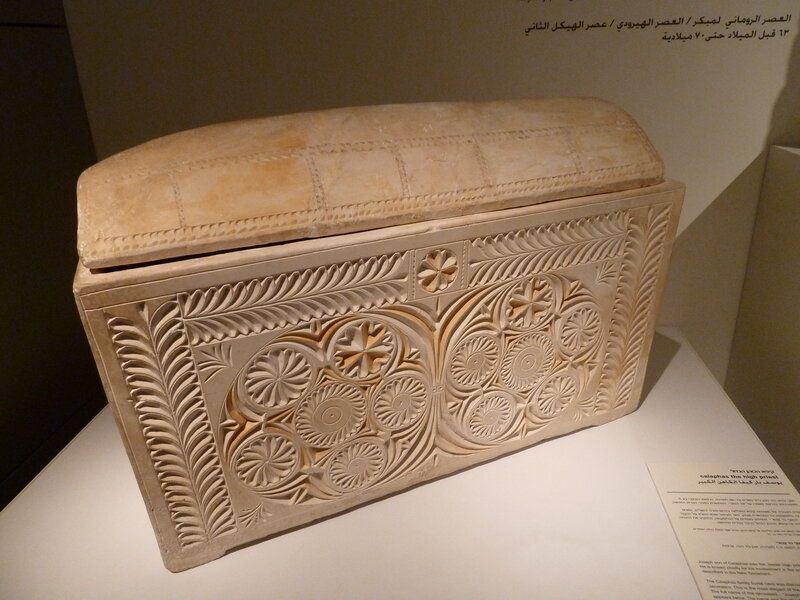
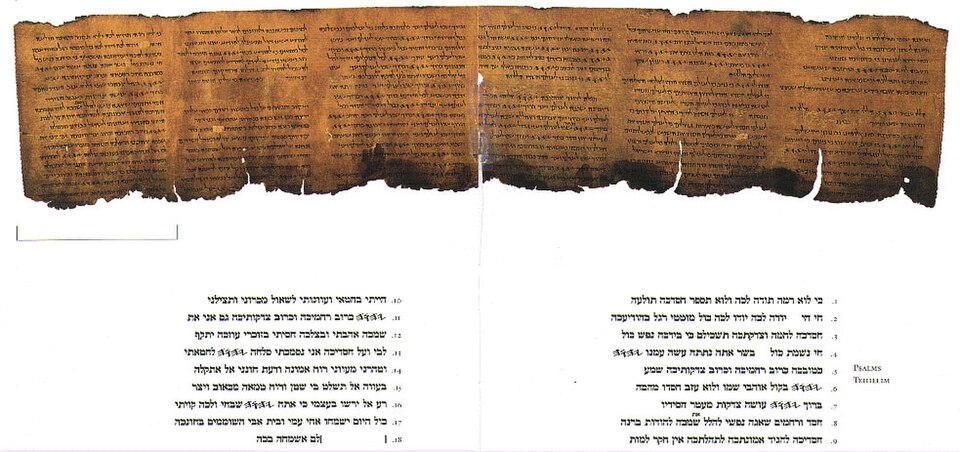
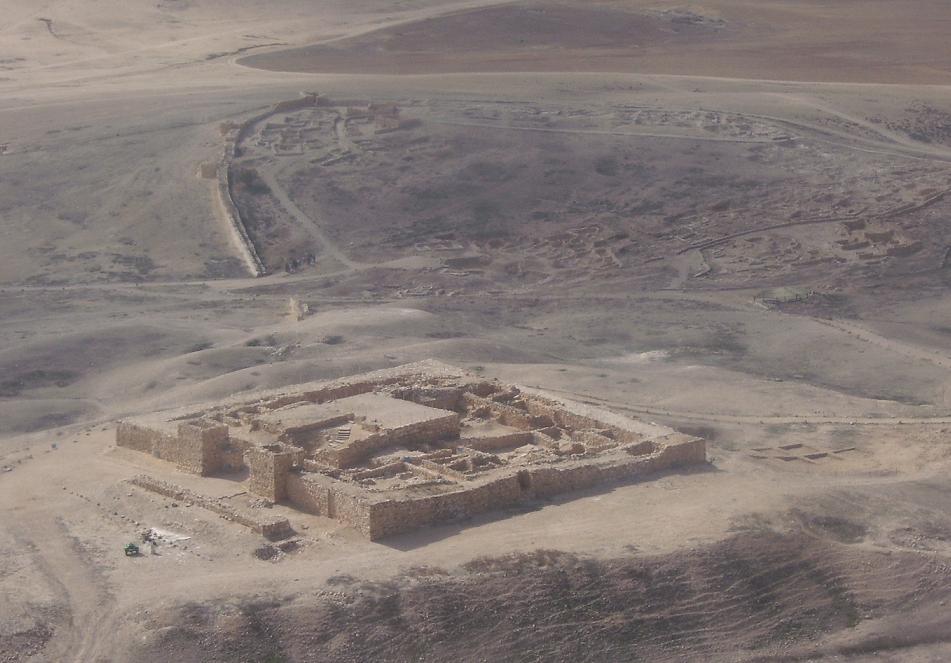
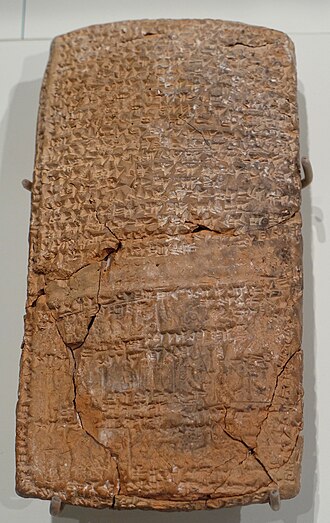
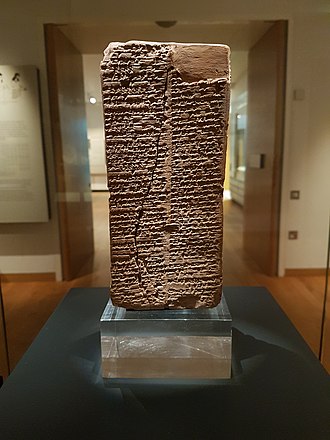
The Mesopotamian and Hebrew accounts are textually related — most scholars accept that the Genesis flood draws on the older Atrahasis / Gilgamesh tradition during or after the Babylonian exile, when Israelite scribes lived inside the very library that preserved those tablets.[A] The Greek and Vedic accounts are independent, and yet share the same skeleton: a god, a warning, a vessel, a mountain, a beginning again.
There are three live explanations and we name all three. Diffusion — the story spread by trade and conquest across Eurasia, deeper and earlier than we usually assume.[B] Archetype — the human imagination keeps producing the same shape, because the shape is doing something for us.[C] Memory — somewhere, an actual flood (the end of the last ice age, the Black Sea breach, a Mesopotamian inundation) seeded all of them. [D] Tracking Faith doesn't pick. We point at the texts.